5.0 Google reviews

5.0 Google reviews
Destination
Explore Lake Manyara National Park with Africa Travel Bureau, a Tanzania-based safari company in Arusha offering expertly guided safaris.
Lake Manyara National Park is one of Tanzania’s most scenic and diverse safari destinations, famous for its tree-climbing lions, lush groundwater forest, and rich birdlife. Nestled at the base of the Great Rift Valley escarpment, Lake Manyara National Park delivers a striking contrast to the open plains of Tarangire and Serengeti, making it a highly valued stop on the Northern Safari Circuit.
Although relatively small in size, Lake Manyara National Park offers extraordinary ecological variety within a compact area. The park transitions rapidly from dense evergreen groundwater forest to open grasslands, acacia woodland, and the shallow alkaline waters of Lake Manyara itself. This diversity supports a wide range of wildlife and creates a visually rich safari experience, often described as one of the most beautiful parks in Tanzania.
Lake Manyara is best known for its tree-climbing lions, a rare behavioral adaptation where lions are frequently seen resting in acacia trees. While sightings are not guaranteed, this unique phenomenon has made the park internationally famous. In addition, the park supports elephants, giraffes, buffaloes, zebras, hippos, and numerous primate species, including large troops of baboons and blue monkeys in the forested areas.
Birdlife is a defining feature of Lake Manyara. With over 400 recorded bird species, the park is a haven for birdwatchers. Flamingos seasonally gather along the lake shores, while pelicans, storks, herons, hornbills, and raptors are commonly seen throughout the park.
Africa Travel Bureau, a Tanzania-based safari company headquartered in Arusha, expertly integrates Lake Manyara into northern Tanzania itineraries. Often visited as a half-day or full-day safari, Lake Manyara serves as an ideal introduction to Tanzania’s wildlife or a scenic complement to Tarangire and Ngorongoro. With professional guiding and precise planning, Africa Travel Bureau ensures guests experience Lake Manyara at its most vibrant and rewarding.
LAKE MANYARA AT A GLANCE (QUICK FACTS)
Key Lake Manyara National Park facts for safari planning from Africa Travel Bureau, a Tanzania-based safari company in Arusha.
Lake Manyara National Park is a compact yet ecologically rich safari destination, celebrated for its dramatic landscapes, birdlife, and unique wildlife behaviors. Situated in northern Tanzania along the Great Rift Valley, Lake Manyara National Park plays an important role in the Northern Safari Circuit despite its smaller size.
The park covers approximately 325 square kilometers, of which nearly two-thirds is occupied by Lake Manyara itself, a shallow alkaline lake that changes seasonally. This variation supports a dynamic ecosystem, attracting different species at different times of the year. During wet seasons, the lake expands and draws large numbers of waterbirds, while the surrounding forests and grasslands remain wildlife-rich year-round.
One of Lake Manyara’s defining features is its groundwater forest, sustained by underground springs from the Ngorongoro Highlands. This lush forest creates a cool, shaded environment where baboons, blue monkeys, and elephants are frequently seen. In contrast, the park’s open plains and lake shores offer clear views of giraffes, zebras, buffaloes, and hippos.
Lake Manyara is globally known for its tree-climbing lions, a rare behavior that has become one of Tanzania’s most distinctive wildlife attractions. Although sightings depend on timing and luck, this phenomenon adds unique appeal to the park. Birdlife is exceptional, with over 400 recorded bird species, including flamingos, pelicans, storks, and birds of prey.
Key Lake Manyara Quick Facts:
Africa Travel Bureau, a Tanzania-based safari company headquartered in Arusha, uses these quick facts to design efficient Lake Manyara safaris—often as an introductory or transitional park between Tarangire and Ngorongoro. With expert timing and guiding, Africa Travel Bureau transforms Lake Manyara’s compact size into a powerful, memorable safari experience.
WHAT IS LAKE MANYARA NATIONAL PARK FAMOUS FOR?
Discover what makes Lake Manyara National Park famous with Africa Travel Bureau, a Tanzania-based safari company in Arusha.
Lake Manyara National Park is famous for its tree-climbing lions, lush groundwater forest, and exceptional birdlife concentrated within a small, scenic area. Unlike many savannah-dominated parks, Lake Manyara National Park offers a rare combination of dense forest, open grassland, alkaline lake, and dramatic escarpment scenery—making it one of Tanzania’s most visually diverse safari destinations.
The park’s most iconic feature is its tree-climbing lions. These lions are often seen resting on acacia tree branches, a behavior rarely observed elsewhere in Africa. While sightings depend on timing and luck, this phenomenon has earned Lake Manyara international recognition and remains one of the most frequently searched attractions by safari travelers.
Lake Manyara is also famous for its groundwater forest, sustained by underground springs flowing from the Ngorongoro Highlands. This evergreen forest is home to large troops of baboons and blue monkeys and offers a cool, shaded safari environment that contrasts sharply with nearby dry savannah parks. Elephant sightings are common in this forested zone, often occurring at close range.
Birdlife is another defining reason Lake Manyara is famous. With over 400 bird species recorded, the park is considered one of Tanzania’s top birding destinations. Seasonal flamingos gather along the lake shores, while pelicans, storks, herons, hornbills, and raptors are frequently spotted throughout the park. The shallow lake and surrounding wetlands create ideal feeding and breeding conditions for waterbirds.
Despite its relatively small size, Lake Manyara delivers high-impact safari experiences in a short time. This efficiency makes it a favorite for half-day or one-day safaris, as well as a perfect complement to Tarangire and Ngorongoro itineraries.
Africa Travel Bureau, a Tanzania-based safari company headquartered in Arusha, leverages Lake Manyara’s unique features to design concise, rewarding safaris. With expert guiding and precise timing, Africa Travel Bureau ensures visitors experience exactly what Lake Manyara National Park is famous for—diversity, beauty, and rare wildlife behavior packed into a single remarkable destination.
WHERE IS LAKE MANYARA NATIONAL PARK LOCATED?
Learn where Lake Manyara National Park is located in Tanzania and how Africa Travel Bureau, an Arusha-based safari company, ensures easy access.
Lake Manyara National Park is located in northern Tanzania, approximately 125 kilometers west of Arusha, at the base of the Great Rift Valley escarpment. Its strategic position places Lake Manyara National Park squarely on Tanzania’s famous Northern Safari Circuit, making it one of the most accessible and logically positioned parks for travelers beginning their safari journey in Arusha.
Geographically, Lake Manyara lies between Tarangire National Park to the southeast and Ngorongoro Conservation Area to the northwest. This location makes it a natural transition point between parks, often serving as the first wildlife stop from Arusha or a scenic break before ascending into the Ngorongoro Highlands. The park stretches along the floor of the Rift Valley, with the towering escarpment forming a dramatic backdrop to game drives and photography.
The drive from Arusha to Lake Manyara typically takes 2 to 2.5 hours by road, depending on traffic and road conditions. The route passes through the town of Mto wa Mbu, a vibrant cultural hub known for its markets and diverse communities. This accessibility allows Lake Manyara to be visited as a half-day or full-day safari, making it especially appealing for travelers with limited time or those seeking a gentle introduction to Tanzania’s wildlife.
For travelers on extended safaris, Lake Manyara’s location enables seamless combinations with Tarangire, Ngorongoro Crater, and Serengeti without long or exhausting travel days. This efficient flow is a major advantage of the park’s geographic placement.
Africa Travel Bureau, a Tanzania-based safari company headquartered in Arusha, expertly leverages Lake Manyara’s location when designing itineraries. By coordinating road transfers, park entry timing, and onward connections, Africa Travel Bureau ensures that reaching Lake Manyara National Park is smooth, time-efficient, and perfectly integrated into a broader northern Tanzania safari experience.
WHY SHOULD I VISIT LAKE MANYARA NATIONAL PARK?
Discover why Lake Manyara National Park is worth visiting with Africa Travel Bureau, a Tanzania-based safari company in Arusha offering expert safaris.
You should visit Lake Manyara National Park for its remarkable ecological diversity, scenic beauty, and unique wildlife experiences delivered in a compact, easily accessible setting. For travelers seeking variety and visual richness without long travel days, Lake Manyara National Park offers one of the most efficient and rewarding safaris in northern Tanzania.
One of the strongest reasons to visit Lake Manyara is its dramatic landscape contrast. In a single game drive, you move from lush groundwater forest filled with baboons and blue monkeys to open grasslands, acacia woodlands, and the shimmering alkaline waters of Lake Manyara itself. This rapid transition of habitats creates constant visual interest and supports a wide range of wildlife within a relatively small area.
Lake Manyara is also famous for its tree-climbing lions, a rare behavior that adds a unique element to any safari. While sightings are not guaranteed, the possibility of seeing lions resting in acacia trees remains a major draw for visitors. Elephants are commonly seen moving through forested areas, often at close range, providing memorable encounters that feel intimate and immersive.
Birdlife is another compelling reason to visit. With more than 400 recorded bird species, Lake Manyara is one of Tanzania’s top birding destinations. Flamingos seasonally line the lake shores, while pelicans, storks, hornbills, and birds of prey thrive throughout the park. For birdwatchers and photographers, the park offers exceptional variety in a short time frame.
Lake Manyara’s convenience and flexibility make it ideal for first-time safari travelers, families, and guests with limited time. It works perfectly as a half-day or full-day safari and pairs seamlessly with Tarangire and Ngorongoro Crater.
Africa Travel Bureau, a Tanzania-based safari company headquartered in Arusha, designs Lake Manyara safaris that highlight these strengths. With expert local guides and precise planning, Africa Travel Bureau ensures guests experience Lake Manyara at its most vibrant—diverse, scenic, and deeply rewarding.
WHAT WILDLIFE CAN I SEE IN LAKE MANYARA NATIONAL PARK?
Discover Lake Manyara wildlife with Africa Travel Bureau, a Tanzania-based safari company in Arusha offering expertly guided game drives.
Lake Manyara National Park offers remarkable wildlife diversity packed into a compact area, making sightings frequent, varied, and visually engaging. Thanks to its mix of groundwater forest, open plains, acacia woodland, and alkaline lake habitats, Lake Manyara National Park supports a broad range of species rarely experienced together in such a short safari time.
Large mammals are commonly seen throughout the park. Elephants are a highlight, often encountered moving quietly through the forest or feeding along the woodland edge, sometimes at close range. Giraffes, zebras, buffaloes, and wildebeest are regularly observed in open areas, while hippos are abundant in pools and channels connected to the lake. These frequent sightings make Lake Manyara especially rewarding for first-time safari travelers and families.
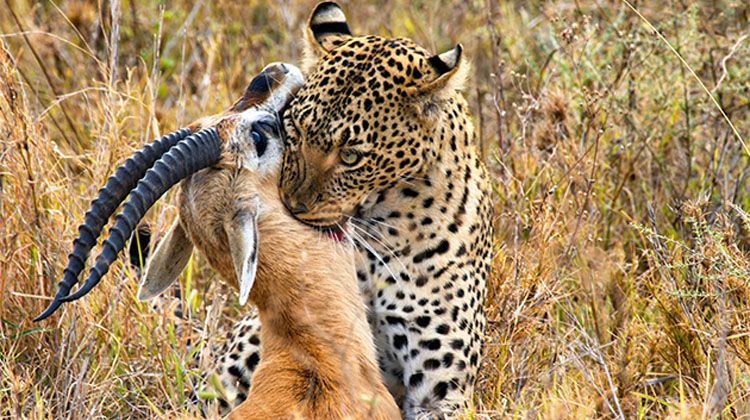
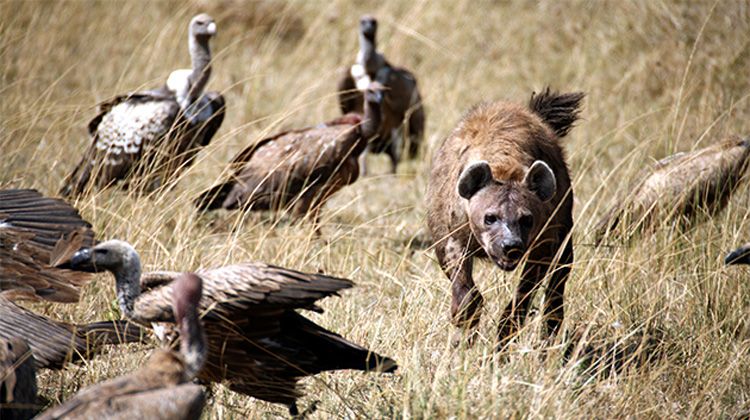
Predators are present, with lions being the most famous due to their rare tree-climbing behavior. While not guaranteed, lions are sometimes seen resting in acacia trees or moving across open ground. Leopards occur in the park’s forested and woodland areas but are elusive and require patience and experienced guiding to spot. Smaller predators such as jackals and hyenas may also be encountered.
Primates are a defining feature of Lake Manyara. Large troops of olive baboons and blue monkeys dominate the groundwater forest, creating lively and memorable scenes, particularly near park entrances and forest roads. These primate encounters add an energetic and educational dimension to the safari experience.
Birdlife is exceptional, with over 400 recorded species. Flamingos seasonally gather along the lake shores, while pelicans, storks, herons, hornbills, eagles, and other raptors are commonly seen. The diversity of birds makes Lake Manyara one of Tanzania’s top birding destinations.
Africa Travel Bureau based in Arusha, times Lake Manyara game drives carefully to maximize wildlife encounters across habitats. With expert local guides, guests experience the park’s full wildlife spectrum—efficiently, safely, and memorably.
WHAT IS THE BEST TIME TO VISIT LAKE MANYARA NATIONAL PARK
Find the best time to visit Lake Manyara National Park with Africa Travel Bureau, a Tanzania-based safari company in Arusha offering expert seasonal planning.
Lake Manyara National Park can be visited year-round, but the best time depends on whether your priority is wildlife viewing, birdlife, or lush scenery. Thanks to its permanent groundwater forest and alkaline lake, Lake Manyara National Park remains productive across seasons—making it a flexible addition to any northern Tanzania safari.
The dry season (June to October) is generally the best time for classic wildlife viewing. Vegetation thins, animals concentrate near remaining water sources, and visibility improves along forest edges and open plains. Elephants, giraffes, buffaloes, zebras, and predators are easier to spot, and game drives are smoother due to drier tracks. This period also aligns well with peak travel months and is ideal for travelers combining Lake Manyara with Tarangire and Ngorongoro.
The green season (November to May) transforms Lake Manyara into a lush, vibrant landscape. This is the best time for birdwatching, as migratory species arrive and flamingos may gather along the lake shores depending on water levels. The park is quieter, scenery is dramatic, and photography opportunities increase due to fresh greenery and dramatic skies. While some wildlife disperses slightly, elephants, primates, hippos, and resident species remain present year-round.
Short rains (November–December) and long rains (March–May) can affect driving conditions on certain tracks, but Lake Manyara’s compact size and good infrastructure mean productive safaris are still possible—often at lower accommodation rates.
Africa Travel Bureau, a Tanzania-based safari company headquartered in Arusha, plans Lake Manyara visits based on your travel dates and priorities. Whether you want peak wildlife visibility, outstanding birdlife, or a peaceful green-season experience, Africa Travel Bureau aligns timing, routes, and guiding to ensure Lake Manyara delivers its best—no matter when you visit.
IS LAKE MANYARA NATIONAL PARK GOOD FOR FIRST-TIME SAFARI
Lake Manyara National Park is perfect for first-time safari travelers. Explore safely with Africa Travel Bureau, a Tanzania-based safari company in Arusha.
Yes—Lake Manyara National Park is an excellent choice for first-time safari travelers because it offers diverse wildlife, scenic beauty, and rewarding sightings in a short and manageable timeframe. For visitors new to African safaris, Lake Manyara National Park provides a gentle, engaging, and confidence-building introduction to wildlife experiences in Tanzania.
One of the biggest advantages for first-time travelers is ease of access. Lake Manyara is located just a few hours’ drive from Arusha, Tanzania’s main safari gateway and the base of Africa Travel Bureau, a Tanzania-based safari company. This short travel time reduces fatigue and allows guests to begin enjoying wildlife quickly—often on the same day they arrive.
The park’s compact size is another major benefit. Unlike very large parks that may require several days to explore, Lake Manyara delivers varied habitats and wildlife encounters within a half-day or full-day safari. First-time visitors can experience elephants, giraffes, buffaloes, zebras, hippos, primates, and abundant birdlife without spending long hours driving, making the experience comfortable and exciting rather than overwhelming.
Lake Manyara’s groundwater forest creates a calm and visually appealing safari environment. The presence of baboons and blue monkeys adds energy and movement that captivates new safari-goers, while open plains and lake views provide classic African scenery. The chance—however rare—of seeing tree-climbing lions adds an element of anticipation that enhances the overall experience.
Africa Travel Bureau specializes in introducing first-time safari travelers to Lake Manyara through professional guiding, clear explanations, and relaxed pacing. Guides take time to interpret animal behavior, answer questions, and ensure guests feel safe and informed throughout the safari.
As a starting point on the Northern Safari Circuit, Lake Manyara—planned with Africa Travel Bureau—offers first-time safari travelers a smooth, enjoyable, and memorable introduction to Tanzania’s remarkable wildlife and landscapes.
HOW MANY DAYS ARE ENOUGH FOR LAKE MANYARA NATIONAL PARK?
Learn how many days you need in Lake Manyara National Park with Africa Travel Bureau, a Tanzania-based safari company in Arusha.
The ideal amount of time to spend in Lake Manyara National Park is half a day to one full day, depending on your itinerary and travel pace. Due to its compact size and concentrated wildlife zones, Lake Manyara National Park delivers a high-impact safari experience without requiring extended stays.
For most travelers, a half-day safari is sufficient to experience Lake Manyara’s key highlights. This option works particularly well for visitors traveling from Arusha toward Ngorongoro or Serengeti. A half-day game drive typically includes exploration of the groundwater forest—home to elephants, baboons, and blue monkeys—followed by open grasslands and lake viewpoints where hippos and birds are commonly seen. This format offers excellent variety in a short timeframe.
Spending a full day in Lake Manyara allows for a more relaxed experience and deeper exploration of the park’s diverse habitats. This is ideal for birdwatchers, photographers, families, or travelers who prefer a slower pace. A full-day visit provides time to explore less-visited areas, wait patiently for predator movement, and enjoy extended birdlife observation along the lake shore. It also allows guides to adapt routes based on wildlife activity and weather conditions.
Because Lake Manyara’s wildlife experience is less about long-distance tracking and more about habitat diversity, extending beyond one day is rarely necessary. Instead, travelers often allocate extra days to Tarangire, Ngorongoro Crater, or Serengeti, where larger landscapes require more time.
Africa Travel Bureau based in Arusha, advises guests on the optimal time allocation for Lake Manyara within a wider safari plan. By integrating Lake Manyara efficiently, Africa Travel Bureau ensures every day of your Tanzania safari delivers maximum value and Variety.
CAN I SEE THE BIG FIVE IN LAKE MANYARA NATIONAL PARK?
Learn whether you can see the Big Five in Lake Manyara National Park with Africa Travel Bureau, a Tanzania-based safari company in Arusha.
You can see some of the Big Five in Lake Manyara National Park, but it is not a full Big Five destination. Understanding this distinction helps travelers set accurate expectations for Lake Manyara National Park and appreciate what the park truly excels at.
Elephants are the most reliable Big Five species in Lake Manyara. They are frequently encountered in the groundwater forest, often at close range, creating some of the park’s most memorable moments. Buffaloes are also commonly seen, usually grazing in open areas near the lake or moving in herds through woodland zones.
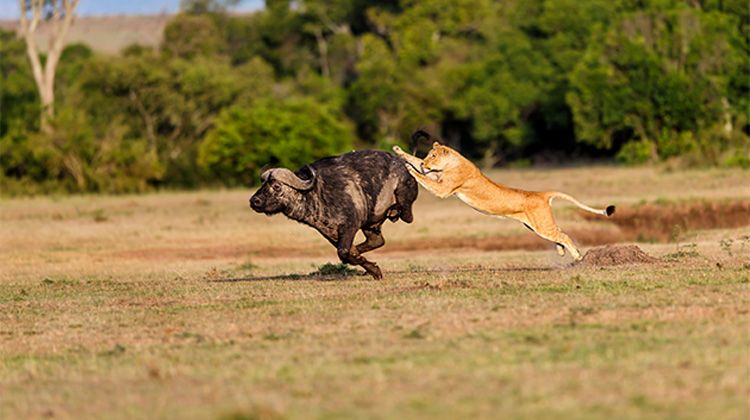
Lions are present in Lake Manyara and are famous for their rare tree-climbing behavior. While sightings are not guaranteed, lions are occasionally seen resting in acacia trees or moving through open grasslands. When encountered, these sightings are highly rewarding due to the park’s scenic setting and lower vehicle density.
However, leopards in Lake Manyara are extremely elusive and rarely seen, and rhinoceros are not present in the park. For this reason, Lake Manyara should not be considered a primary Big Five safari destination. Travelers whose main goal is to see all five Big Five species in a single park are better suited to destinations like Ngorongoro Crater or Serengeti National Park.
That said, Lake Manyara offers something different—and equally valuable. Its strength lies in diversity rather than dominance: primates, elephants, birdlife, forest scenery, and unique behaviors such as tree-climbing lions. These elements combine to create a rich, varied safari experience within a short time frame.
Africa Travel Bureau headquartered in Arusha, plans Lake Manyara visits as part of a strategic safari combination. By pairing Lake Manyara with Big Five-focused parks, Africa Travel Bureau ensures guests enjoy both variety and completeness—experiencing Lake Manyara for what it does best while still achieving Big Five safari goals elsewhere.